
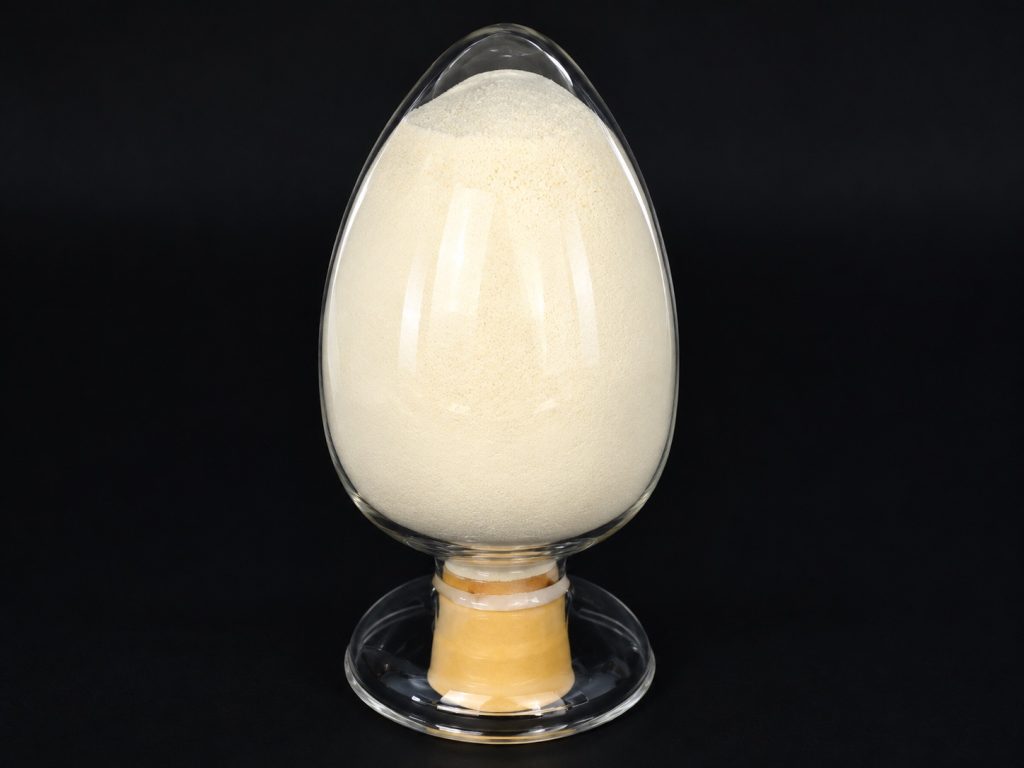
Polyaluminum chloride (PAC) is one of the most widely used inorganic polymer coagulants in water treatment, serving drinking water, municipal wastewater and industrial wastewater applications. With industrial, drinking-water, low-iron and white grades available, customers often ask which one suits their project. This article gives a brief overview of the grades, the key advantages and storage tips.
1. What grades of PAC are available?
PAC grades differ mainly in alumina content, iron content and heavy-metal limits, and are suited to different applications:
| Grade | Description | Typical content (%) |
|---|---|---|
| Industrial | For general wastewater treatment | 28%, 30% (liquid); 26%–30% (powder) |
| Drinking water | High-purity grade meeting drinking-water standards | 30% (liquid); 28%–30% (powder) |
| Low-iron | Low iron content, for the paper and textile industries | 28%–30% |
| White PAC | Low heavy-metal content, for demanding applications | 30% (powder / liquid) |
Selection tip: first define what you are treating and the required effluent quality, then confirm the grade and dosage with a jar test – avoid paying for a higher grade than you need, or under-specifying.
2. Why choose PAC?
Compared with conventional aluminum sulfate, PAC offers several practical advantages:
- Fast coagulation and floc formation;
- Less sludge produced;
- Effective across a wide pH range;
- Strong decolorization and turbidity removal;
- Lower chemical consumption in multi-stage treatment systems.
3. Storage and packaging
Store PAC in sealed containers, indoors or above freezing. When stored correctly, its shelf life is about 12 months, depending on storage conditions.
Standard packaging
- Powder: 25 kg woven bags with PE liner
- Liquid: 1000 L IBC totes or 200 L plastic drums
- Custom packaging available on request
For detailed specifications or samples, please contact us using the details at the bottom of this page.
 Scan to chat on WhatsApp